HELPING FAMILIES

STAND, EARN AND LEARN.

sO NO-ONE IS LEFT BEHIND

EXPLORE THE FAMILY WE SUPPORT

All

Mullaithivu

Killinochi

Anuradhapura

Wider Sri Lanka

Batticaloa

Badulla

All

Mullaithivu

Killinochi

Anuradhapura

Wider Sri Lanka

Batticaloa

Badulla

Jevamalar cooks for her four sons while managing an unfinished home, scarce water and health problems. Her children struggle to reach school, and her husband’s drinking leaves little money. Two years of support can help the household work towards greater income stability.

Jevamalar

Thilagavathu raises three children alone after her husband left, earning a small and irregular income through domestic and seasonal work. Some days bring no food. Two years of support can help the family work towards greater income security and stability.

Thilagavathu

Every day, Suthamathi and her husband look for work while caring for their sick son and three children. Medical costs, debt and unsafe water strain the household. Two years of support can help them work towards steadier income and stability.

Suthamathi

After leaving school to care for her family, Rithurshana manages an incomplete home on one irregular income while her sister walks a dangerous jungle path to school. Two years of support can help the family work towards stability and security.

Rithurshana

Gayavathani raises her four children and her late sister’s child alone, earning a small, irregular income tending cattle. Without a toilet or nearby water, she stretches one cooked meal across the day. Your support can help her build lasting stability.

Gayavathani

“Seeing my child there, helpless. That is the hardest thing I carry.”

Ishwary is 58 and has cared for her son, who has never walked, since the day he was born. The household lives on the 10,000 rupees a month he receives, and she cooks once so the food stretches to three meals. Over two years, your support can help them work towards an income they can rely on.


Ishwary

My greatest sadness is not having my great-granddaughter with us.

Maheswary takes care of her granddaughter who is very sick and her elderly husband, even though she herself is old. A small allowance let’s them manage, but her great grandchild isn’t able to live with them. And Maheswar carries that burden. One day, she hopes for better health for her granddaughter, a safer home and a regular income.

Maheswary

“My children watched other kids get earrings and ice cream. I had way to give them that.”

Vethanayaki and her husband Kannadasan are raising three kids in eastern Sri Lanka on very little, often buying rice and groceries on credit to get through the month. She keeps the household going while he works three jobs despite losing a hand, and they’re hoping their children can finish school and find steady work one day.

Vethanayaki

“For the past four years my husband hasn’t worked, and I carry everything alone.”

Sanitha’s holding her family together alone in eastern Sri Lanka while her husband’s illness and drinking leave her without support. She sells home-cooked meals each morning to keep four kids in school, and she’s hoping they’ll all find steady work one day and live better lives.

Sanitha

Theravani cares for four children while earning irregular wages herding goats and cows. Without a home or property, the family often goes without food. Support over two years can help them work towards a steadier income and greater household stability.

Theravani

“I’ve been managing alone for 10 years; my son’s illness, the debt, his studies, I handle all of it on my own.”

Kalaivani has raised her son alone for 10 years. His heart condition has meant constant medical expenses and debt she’s still paying off. She cooks for money, cuts grass, and does paddy work to keep going, hoping her son will become a doctor one day.

Kalaivani

Kamalampikai works across several small businesses while her husband’s fishing income changes from day to day. Water must be bought, debt remains and her daughter’s education is costly. Your support can help her secure a reliable income and a better future for her children.

Kamalampikai

Unitta is raising two children alone, stretching a government payment across food, school and medical costs while searching for work. Seasonal farming brings little security, and she hopes to run a shop so she can earn while caring for them.

Unitta

“My children cry from hunger. I go to the shop, get food on credit, and give it to them.”

Thevosi is a 42-year-old widow in eastern Sri Lanka raising three daughters alone. When there’s no food, she walks to the shop and buys on credit. She works three jobs to make ends meet and hopes her daughters finish school and find steady work.

Thevosi

“We are so weighed down by debt, I don’t know how we can ever afford to repay it.”

Vejayaleka’s husband is now home after she borrowed over five lakhs to send him abroad for work. Carrying that debt alone while raising two kids wasn’t easy, but she kept both boys in school throughout. She hopes they can clear the debt and find steadier ground together.

Vejayaleka

“Everything has fallen on me. Now we barely have enough to eat and manage day by day.”

Inthirani does whatever work she can to keep her family fed. With her husband unable to work, she’s farming, pressing oil, and taking wage labour whenever it comes up, hoping one day to build a proper home for her family and have enough of an income to live well.


Inthirani

“I don’t want our children to live like us. I want them to have a better life.”

Dino lives with her household of four, including two children. Work has always been irregular and so is the income. She once went abroad hoping for something stable, but came back without a job. She keeps her son in school and hopes the children each somewhere better than she has.


Dino

“I borrowed money just so my children could eat.”

Nishanthini is the one holding her family together. Her husband can barely work after a hand injury. She works hard; she cooks at a school, raises chickens, and covers all the bills herself, chipping away at debt so her three kids stay in school and life gets a little easier.

Nishanthini

“Ten years ago everything changed. Now there’s no income, no support – nothing at all.”

Kamala’s raising her daughter with no steady income since her husband had a hand injury that changed everything. She collects Arjun tree leaves from the field to sell, just to keep food on the table. What she’s working toward is keeping her daughter in school, hoping for a better life for her.


Kamala

“My eyes water from worry when we have to pay for something. There is nothing left.”

Vijenthini lives with her husband and four children. Managing her children’s education during the lean stretches pushed her to her limits. She’s taken loans through a village savings group to grow their poultry business, hoping to see all four children finish their studies and settle well in life.


Vijenthini

“Every time I earn something, the debts take it. There’s never enough left for us to live.”

Thangaluxmi’s in Batticaloa with her husband and three kids, managing on seasonal work that creditors claim before she can use it. Her daughter chips in from her own pocket so the family can eat. Thangaluxmi just wants to clear the debts and feed her family without owing anyone.

Thangaluxmi

“After I got married, everything went to his drinking. That has been our life.”

Saritha’s raising her son alone in Batticaloa on just a welfare allowance, with no toilet or water at home and no other income coming in. She’s keeping up with his school costs despite everything, and she hopes to find work so they can finally live well.

Saritha

“I manage everything -food, school, all of it- on my own I raise my kids.”

Latha is a single mother raising two daughters -a seven-year-old in school and a nine-month-old baby while finding work every day. Balancing infant care with daily labour work isn’t easy, but she’s the one covering everything. She hopes to keep her girls in school and happy.


Latha

“I carried hardship from childhood. Now I worry my children will go through the same things I did.”

Niranjani’s family of four lives in a hut they don’t own, with no toilet and no steady income. Her husband’s daily wages must cover everything, and when it’s tight, the kids still go to school. But without any school supplies. She hopes her children finish school and live better than her.


Niranjani A

“I want nothing for myself. I only want my children to be educated and not live like me.”

Vijeyakumary’s household of seven runs on unpredictable daily wages. The only gold she had was stolen. She takes on domestic work to keep her two younger children in school and hopes to clear their debt so everything she earns can go into making their  future a better one.


Vijeyakumari

“My daughter is studying hard to have a better life, but I don’t have money to help her.”

Saranya’s family of six lives on her husband’s unpredictable daily labour wages. She’s carefully saving to keep her eldest in tuition and works hard to make sure the kids continue school. She hopes all four children can study well and reach a better life.


Saranya V

“We work so hard, but there’s nothing to show for it – not even enough to eat.”

Poomani is raising her daughters and grandchildren with the money her grandson brings in from doing wage work. But it isn’t always enough, and some days they live off loans and debt. She hopes to build a proper toilet and simply have enough food.


Poomani

“At 75 years old, even working when I can, I can’t make enough for food and medicine.”

At 75, Perinbawathi takes small jobs to pay for food and medicine, but the work is irregular and never quite enough. She walks through fields and jungle to reach her clinic twice a month, managing knee pain alongside recovery from kidney surgery. She hopes to live without hardship and sorrow.

Perinbawathi

“Being poor is the one thing in my life I could never break free from. It’s always there.”

Indrani lives with her husband and four children in her sister’s house, since they have no home of their own. Her husband’s agricultural work is seasonal and never quite enough, so when money runs short she borrows. She hopes to see each of her children finish their studies and start a happy life.

Indrani

“All I want is to look after our grandson, to pay off our debt and not burden my children.” 

Jeyarani lives with her husband and grandson, managing on about 10,000 rupees a month. She works hard to stretch their income while carrying loan debt. She is also raising her grandson and keeping him in school. She hopes to clear their debt and live a better life one day. 

Jeyarani

WHEN YOU

BACK A FAMILY

you help to ensure they are economically empowered to prosper, make informed decisions about their livelihoods and better care for themselves and their children.

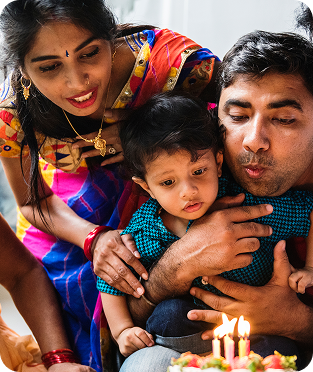
DOING SOMETHING IS

EASIER THAN YOU THINK.

This year for your birthday, ask for
a donation instead of a gift.